
Safeguarding Resources
Safeguarding in Early Years
At Early Years Insight, we provide practical safeguarding in early years guidance and resources to help nursery practitioners, childminders and early years leaders keep children safe, protected and supported.
Safeguarding is everyone’s responsibility. Our resources cover important areas such as recognising signs of abuse and neglect, safer working practices, online safety, the role of the Designated Safeguarding Lead (DSL), Prevent duty and child protection.
Explore our latest safeguarding articles below for practical information that you can use in your early years setting.
-
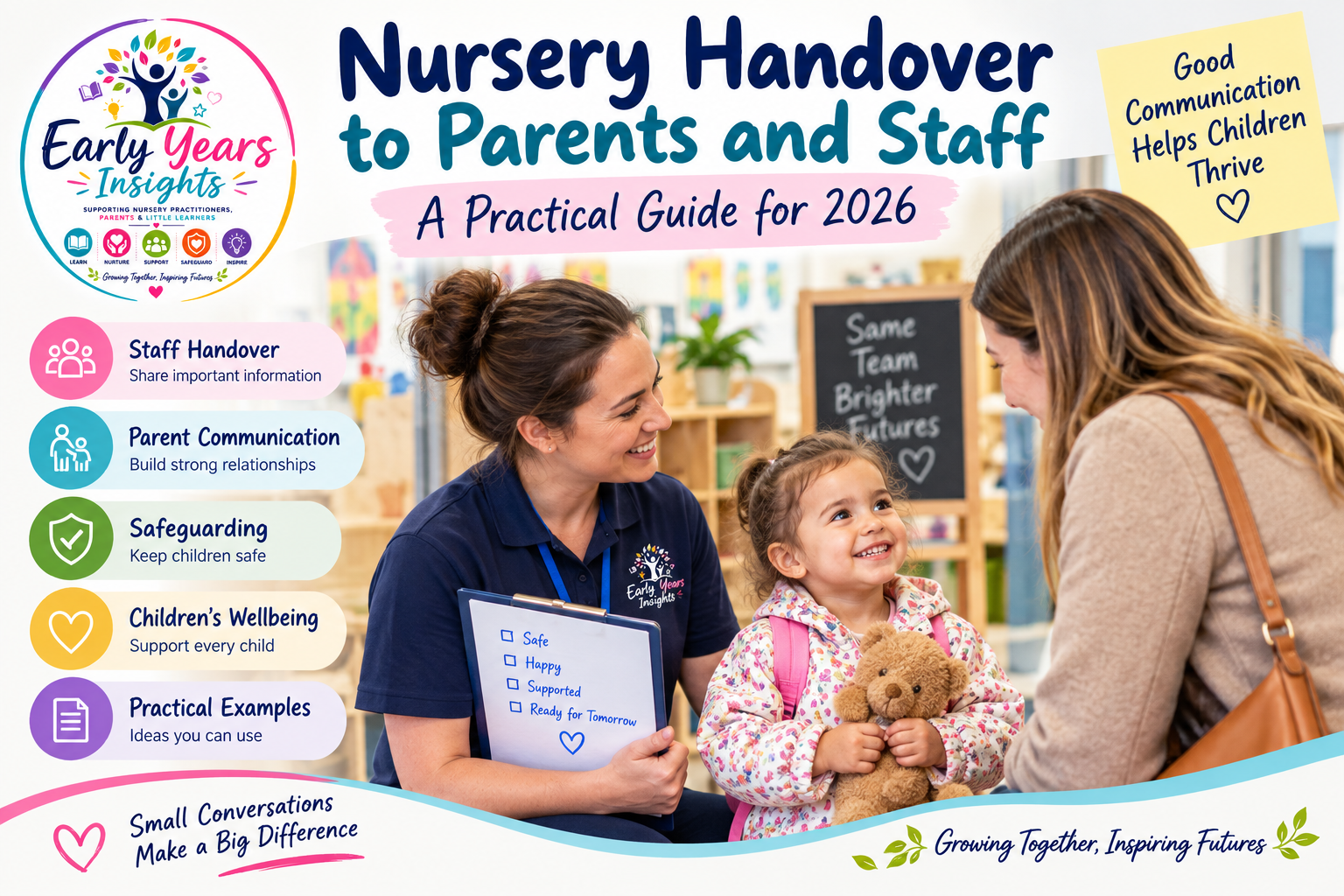
Nursery Handover to Parents and Staff in 2026: A Practical Guide for Early Years Practitioners
Handover is something that happens every day in nursery. A practitioner may hand information to another member of staff at the start or end of a shift. At the end of the day, a parent or carer may ask how their child has been. Sometimes the conversation is very simple. Other times, there may be…
-
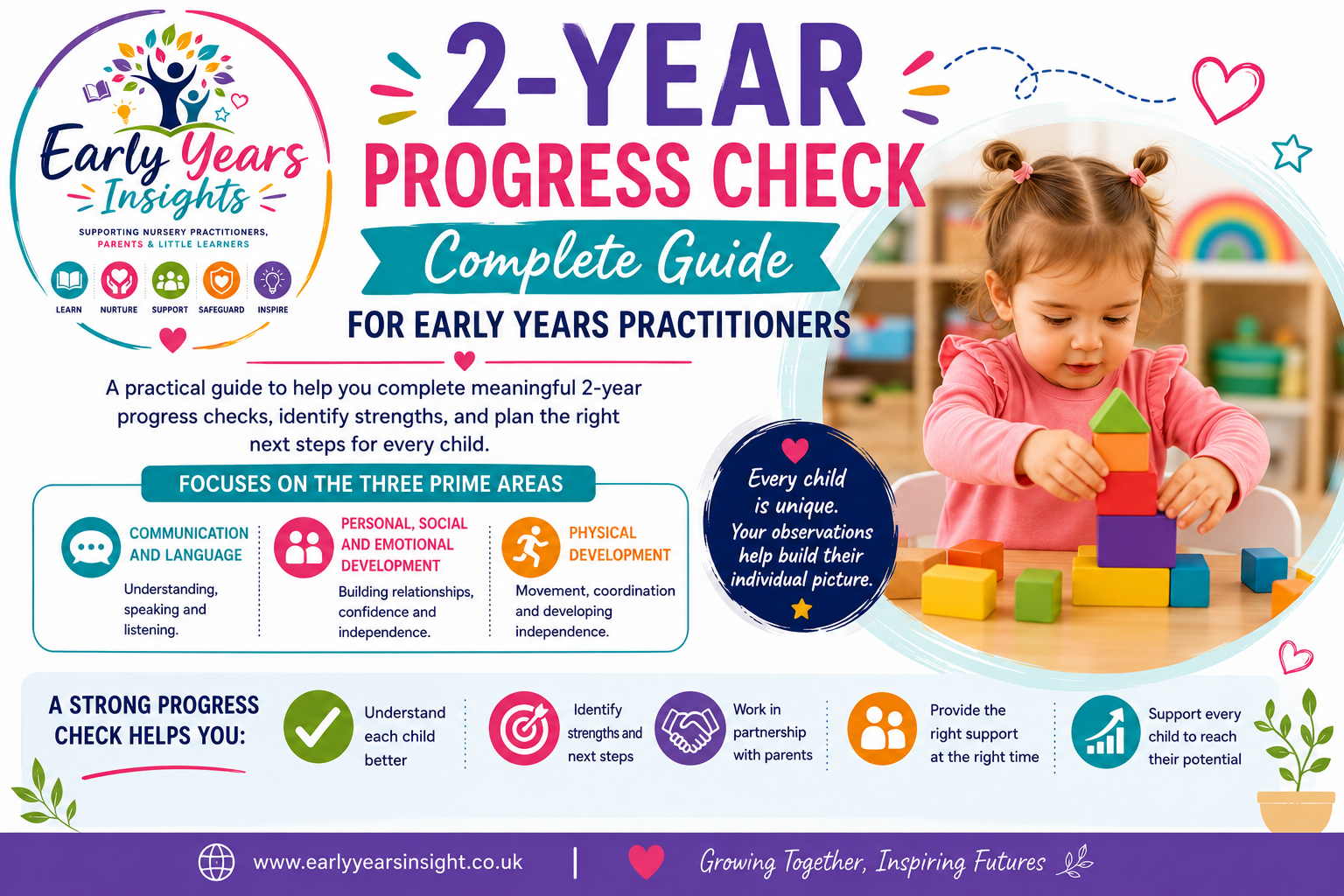
2-Year Progress Check: A Complete Guide for Early Years Practitioners
Introduction The 2-year progress check is an important part of working with young children in Early Years. If you work in a nursery, preschool or another Early Years setting, you will know that children develop in different ways, at different times and at different ages. Two children who are the same age may have very…
-
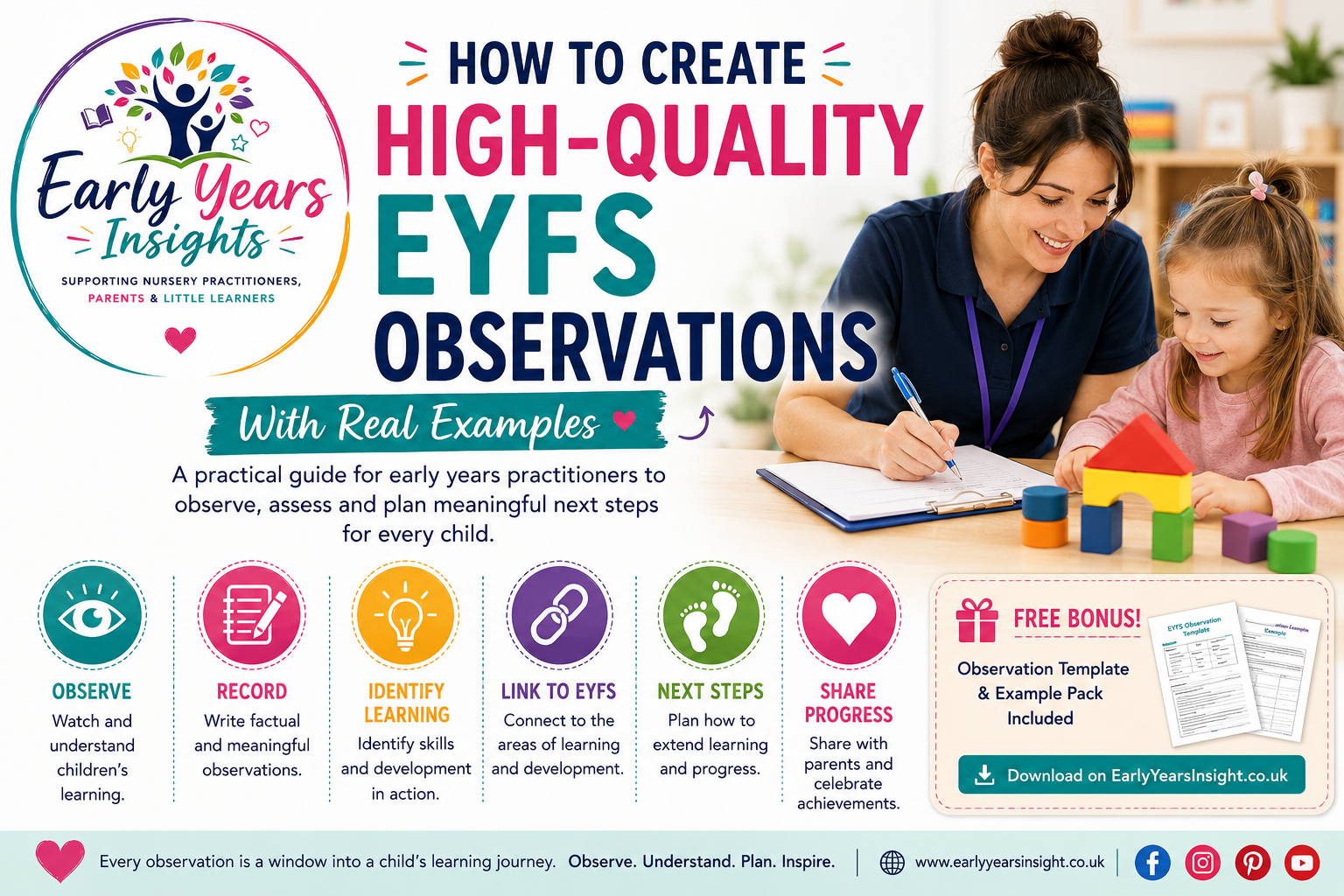
How to Create High-Quality EYFS Observations (With Real Examples)
Introduction Do you work in Early Years? you will already know that observations play an important part of our everyday work. when I started working in Early Years as a practitioner, I thought an observation was all about writing down what a child was doing. After working in Early Years for four years, I have…
-
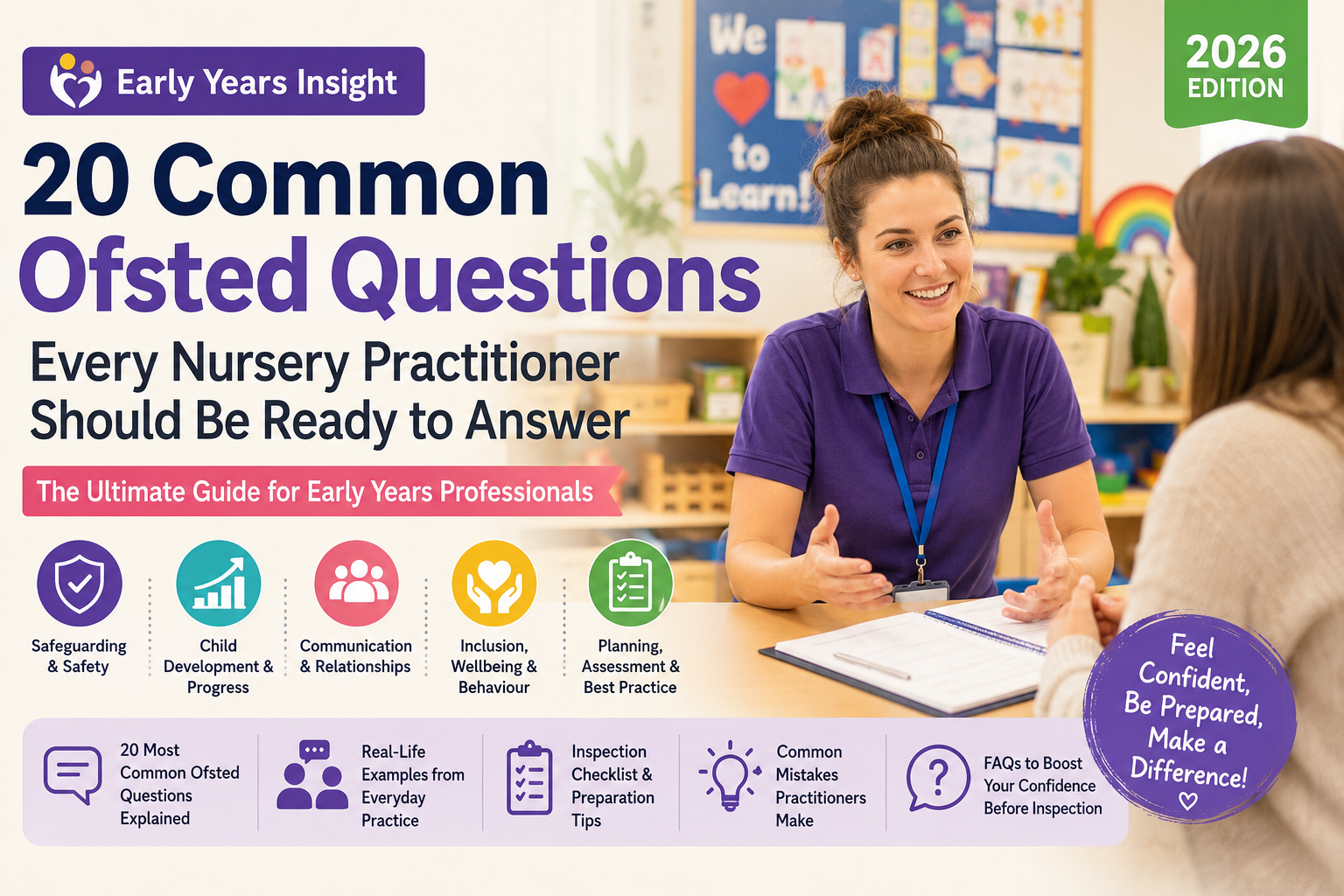
20 Common Ofsted Questions Every Nursery Practitioner Should Be Ready to Answer (With Real-Life Examples)
Introduction If you work in a nursery, preschool or early years setting, you have probably heard someone say, “What if Ofsted comes today?” It is a sentence that can make even experienced practitioners feel nervous. No matter how many years you have worked in childcare, an inspection can feel stressful because you want to do…
-
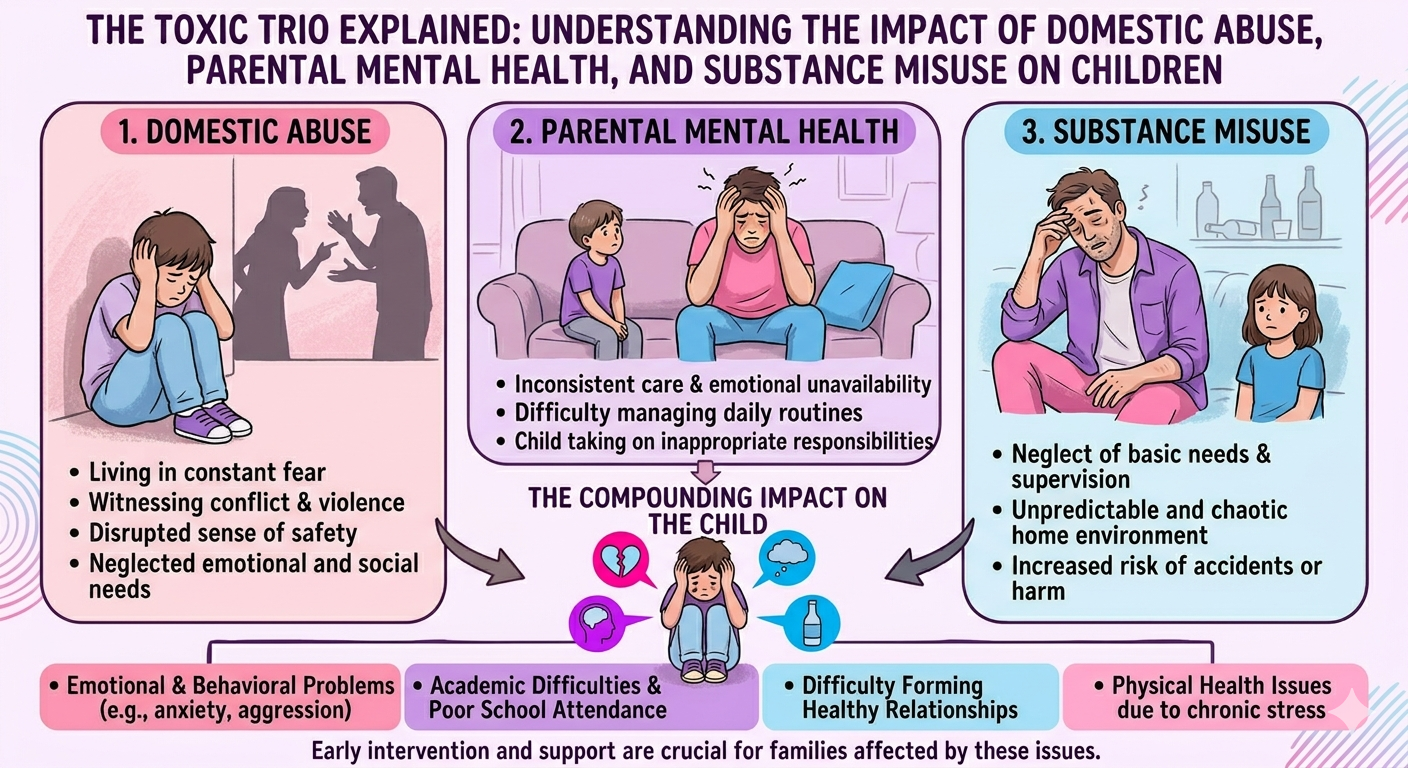
The Toxic Trio Explained: 3 Key Safeguarding Risks
Introduction The Toxic Trio Explained is a safeguarding concept describing the combination of domestic abuse, parental mental health difficulties, and substance misuse. Understanding these factors helps early years practitioners recognise risks and support children’s safety and wellbeing. Safeguarding children requires practitioners to look beyond visible signs of harm and consider the wider circumstances affecting a…
-
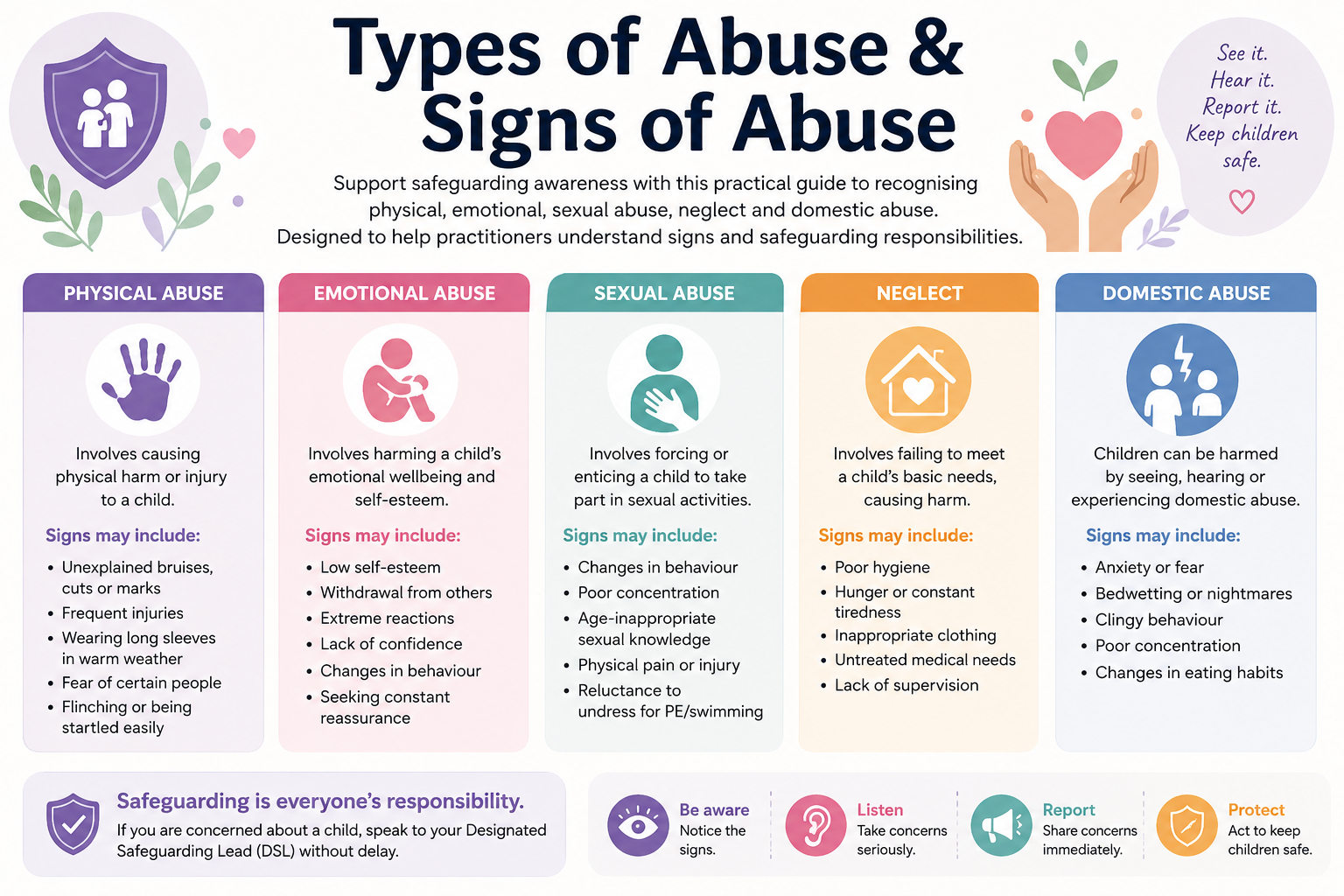
Types of Abuse & Signs of Abuse: A Complete Safeguarding Guide for Early Years Practitioners
Understanding, recognising, and responding to concerns to help keep children safe Introduction Understanding Types of Abuse & Signs of Abuse is an essential part of safeguarding practice in early years settings. Safeguarding is a fundamental responsibility of everyone working with children. In early years settings, practitioners often build close, trusting relationships with children and are…
-
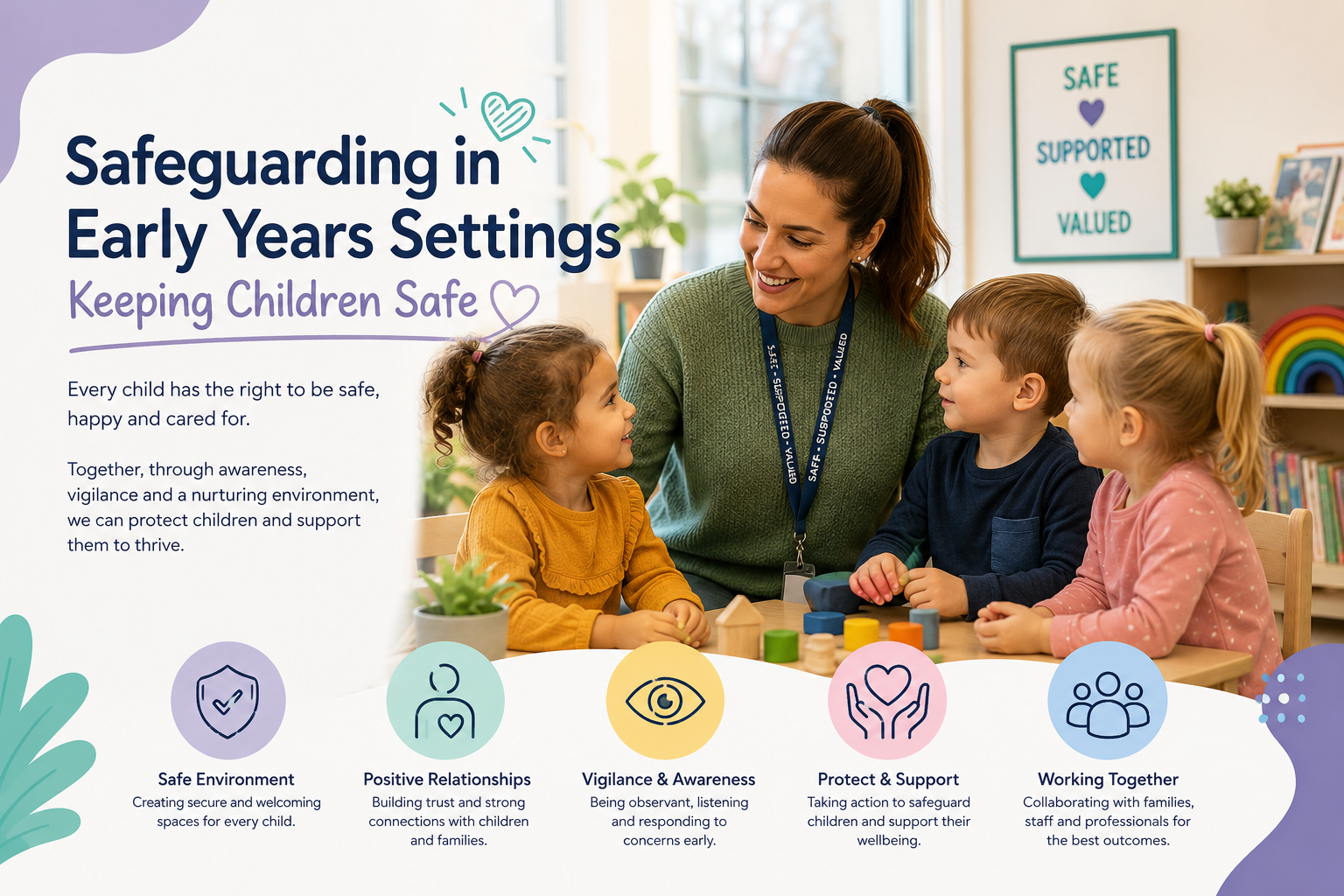
Safeguarding in Early Years Settings – Keeping Children Safe
Introduction Safeguarding is one of the most important responsibilities in early years settings. Every child has the right to feel safe, protected and supported in an environment where they can learn and develop confidently. Early years practitioners have a duty to remain vigilant, recognise concerns and take appropriate action to protect children from harm. Effective…
-
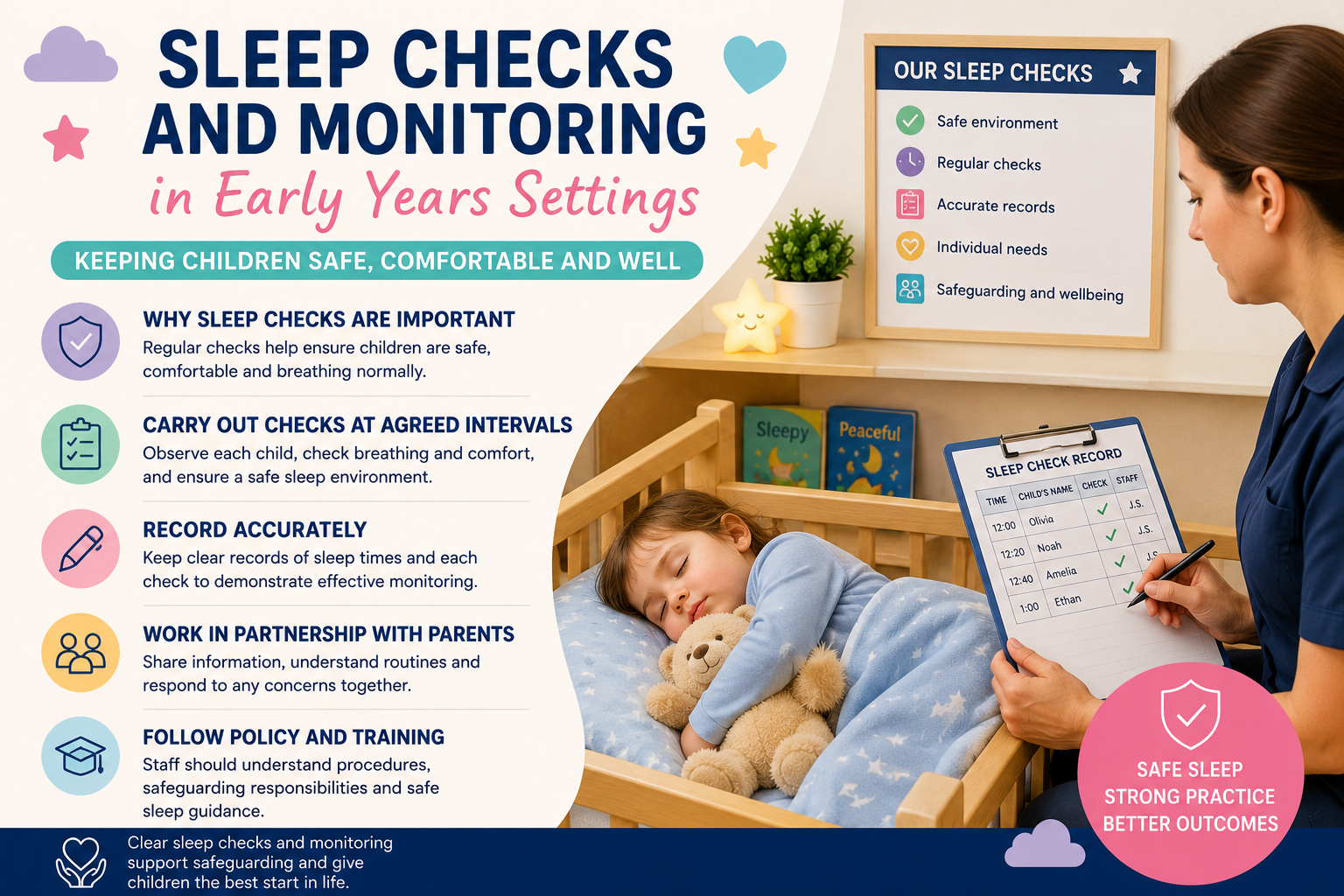
Sleep Checks and Monitoring in Early Years Settings
Introduction Sleep and rest periods are an important part of the daily routine in many early years settings. Effective sleep checks help ensure that children remain safe, comfortable and well supervised while resting. Clear monitoring procedures also support safeguarding requirements and provide reassurance to parents. Why Sleep Checks Are Important Children can be vulnerable while…
-
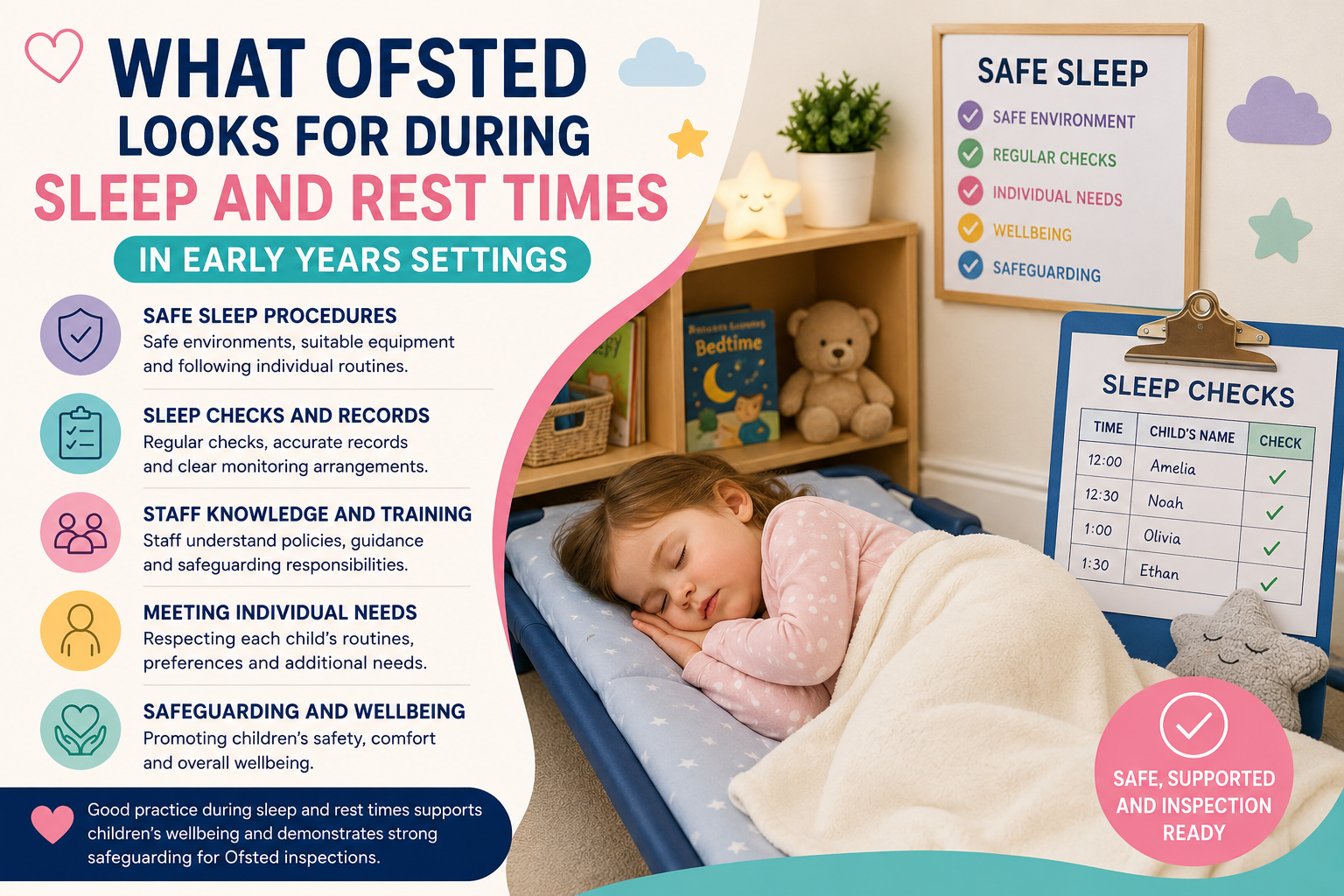
What Ofsted Looks for During Sleep and Rest Times in Early Years Settings
Introduction Sleep and rest are important parts of children’s health, wellbeing and development. Early years settings must ensure that children are supervised appropriately, sleep arrangements are safe and individual needs are respected. During inspections, Ofsted may look at how settings manage sleep and rest times as part of their wider assessment of safeguarding, care and…
-
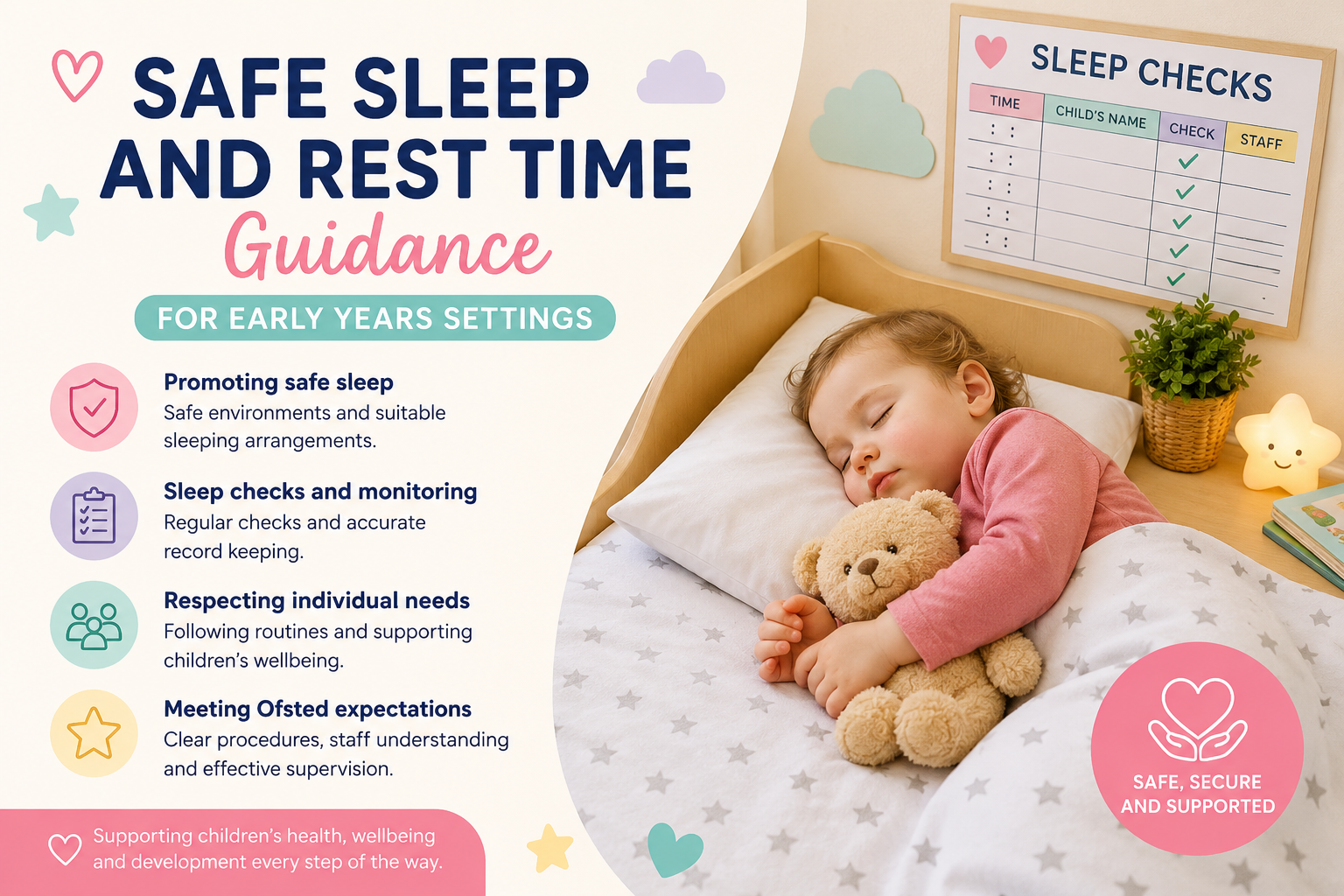
Safe Sleep and Rest Time Guidance for Early Years Setting
Introduction Sleep and rest are essential for children’s health, wellbeing and development. Early years settings must ensure that sleep arrangements are safe, suitable and meet each child’s individual needs. Having clear procedures helps protect children and supports compliance with safeguarding and welfare requirements. Why Sleep and Rest Matter Children need adequate sleep to support: Early…
🔗 Official external link
Add one authoritative link:
GOV.UK – Keeping children safe in education