
Stay up to date with the latest Ofsted changes 2026 and inspection guidance for early years settings in England. Our practical resources help nursery practitioners, managers and childminders understand Ofsted expectations, prepare for inspections and support high-quality practice.
Latest Ofsted Guidance and Updates
-
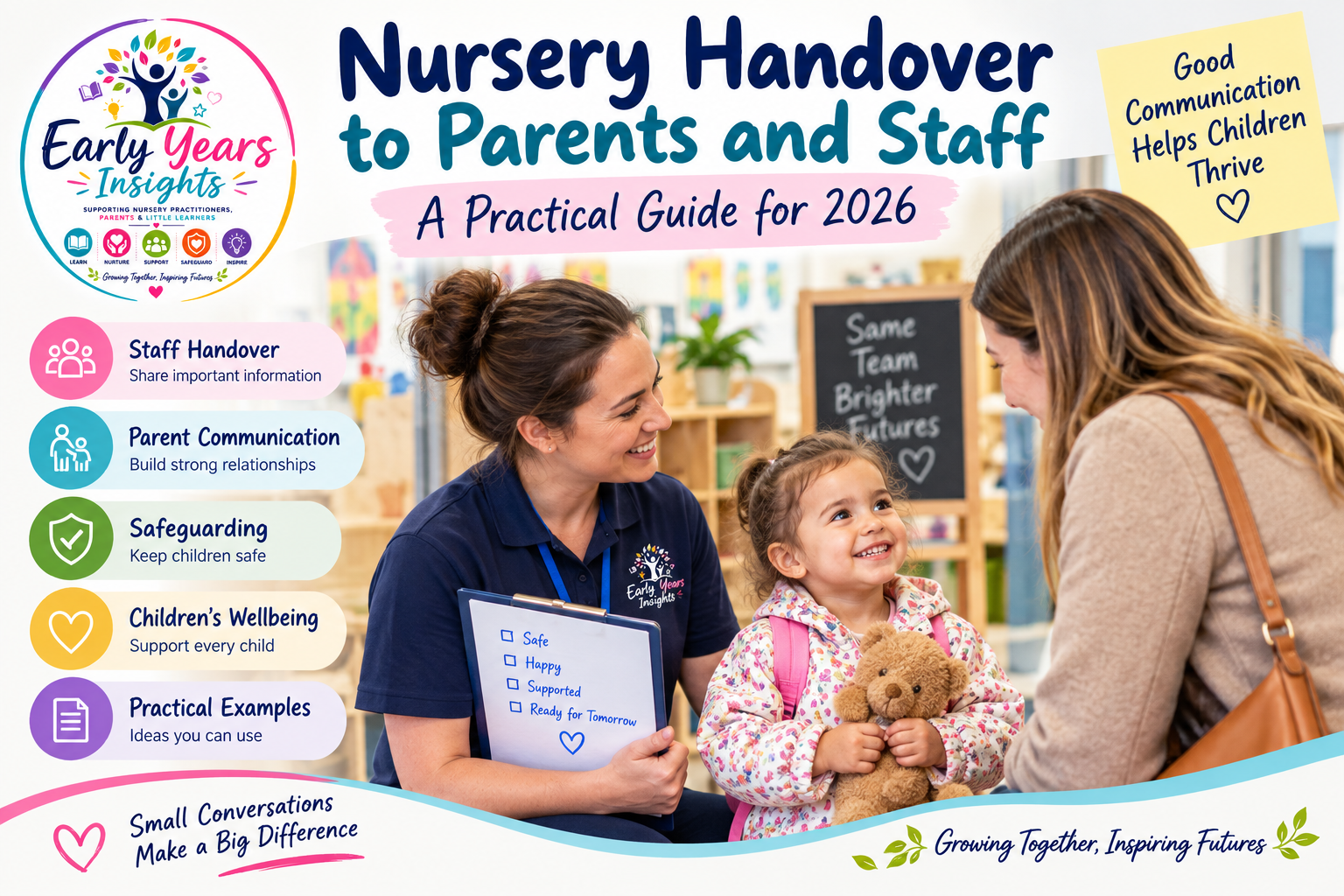
Nursery Handover to Parents and Staff in 2026: A Practical Guide for Early Years Practitioners
-
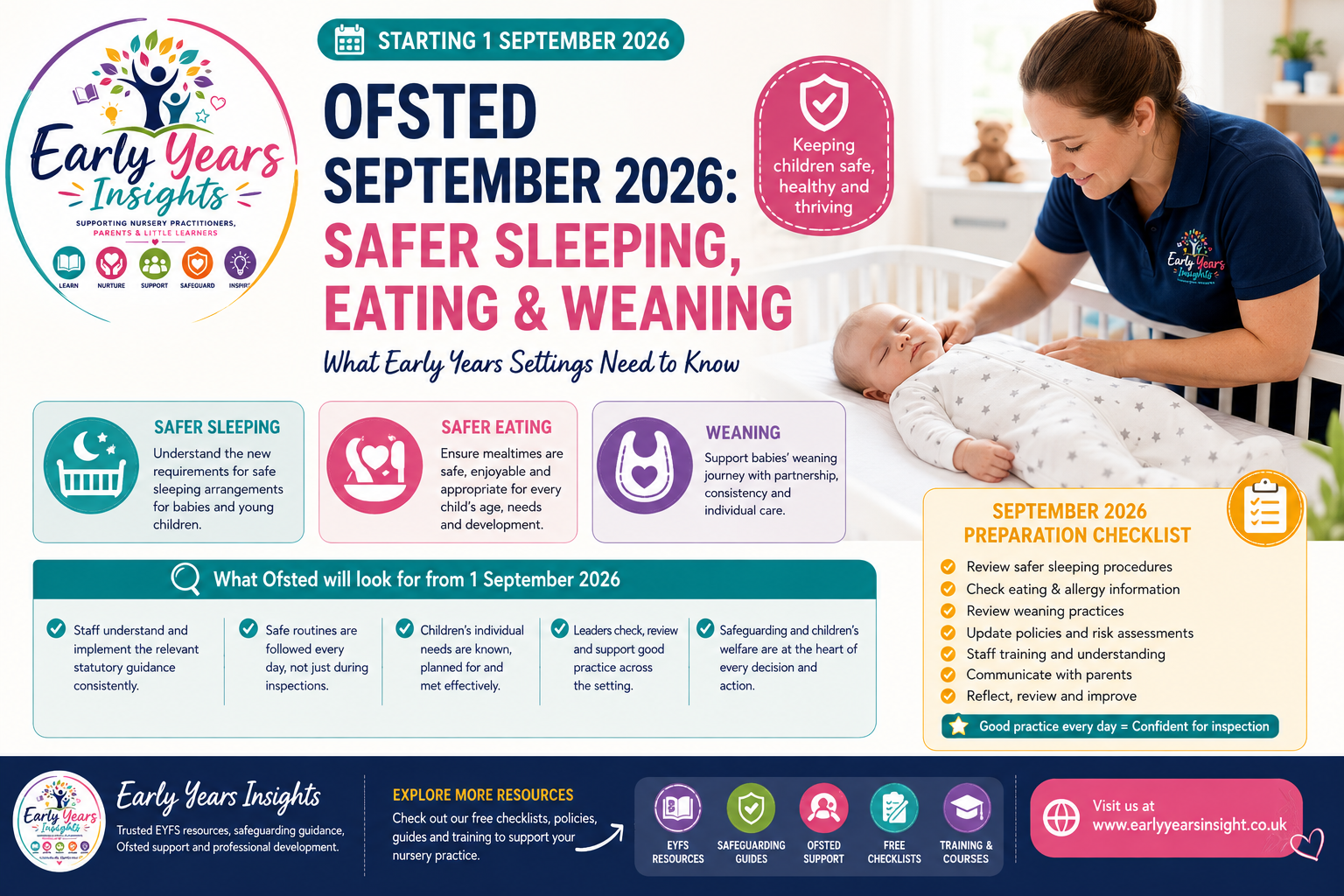
Ofsted September 2026: Safer Sleeping, Eating and Weaning – What Early Years Settings Need to Know
-
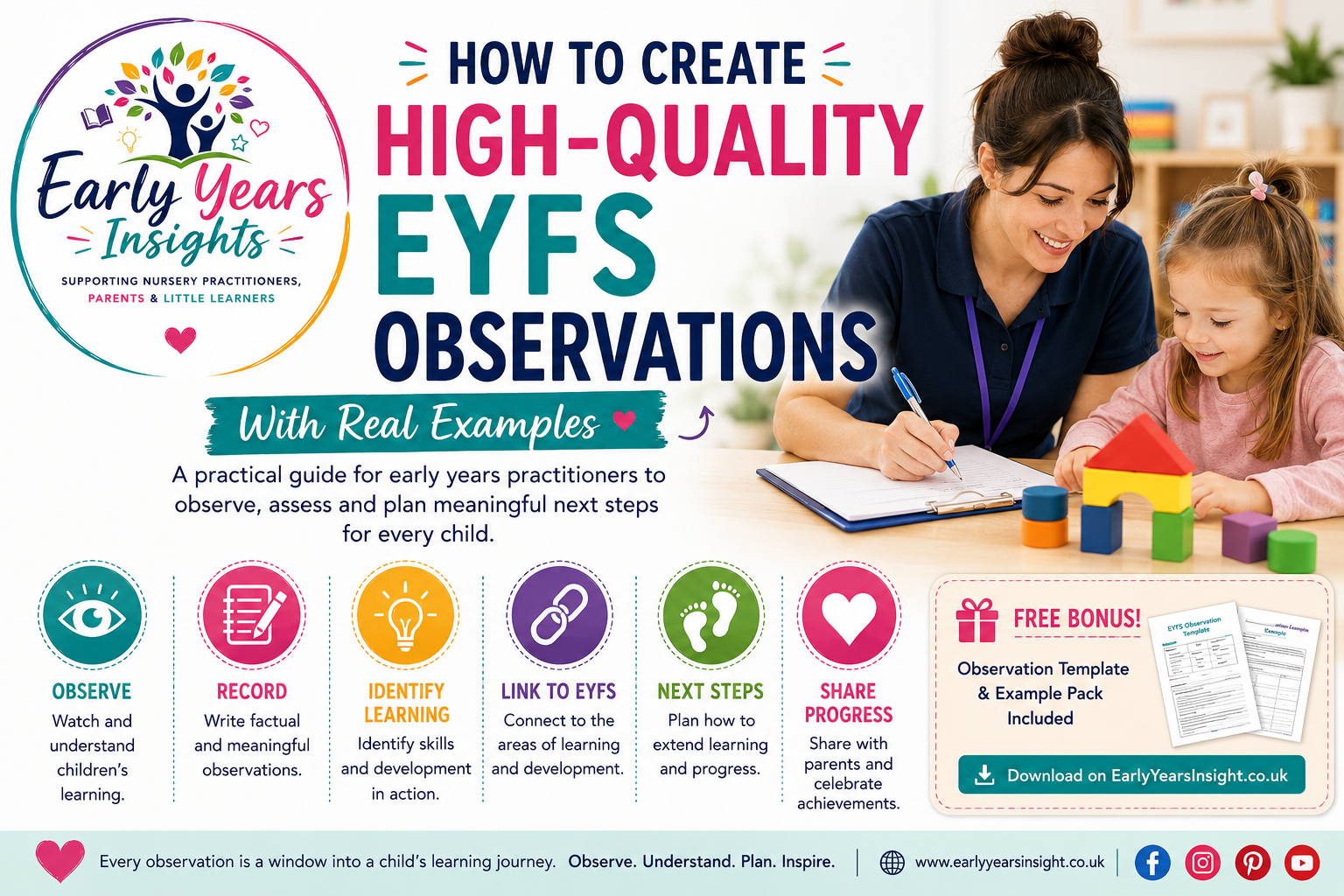
How to Create High-Quality EYFS Observations (With Real Examples)
-
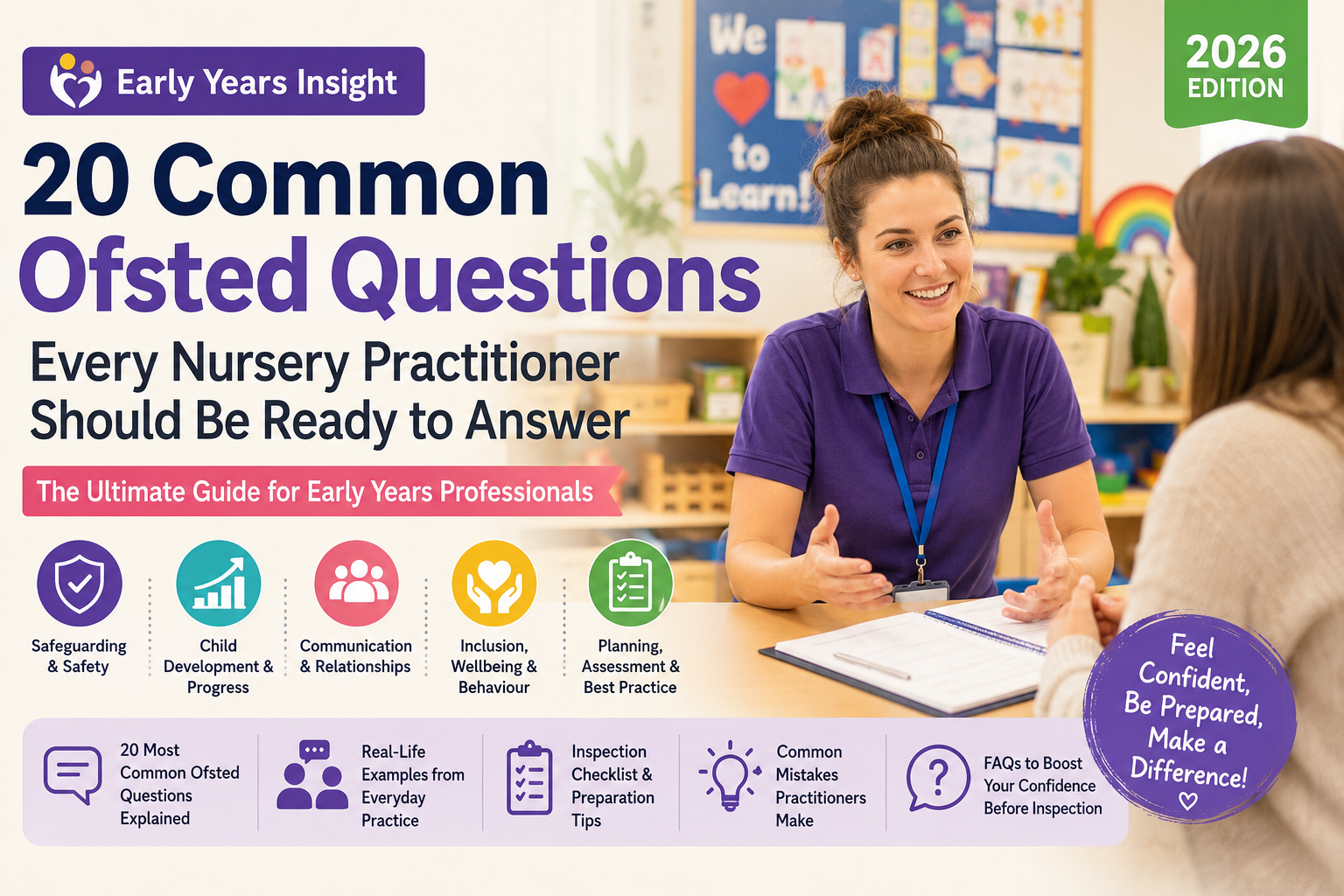
20 Common Ofsted Questions Every Nursery Practitioner Should Be Ready to Answer (With Real-Life Examples)
-
EYFS 2026 and Ofsted Expectations: Best Practices and Preparation Guide for Early Years Settings
-
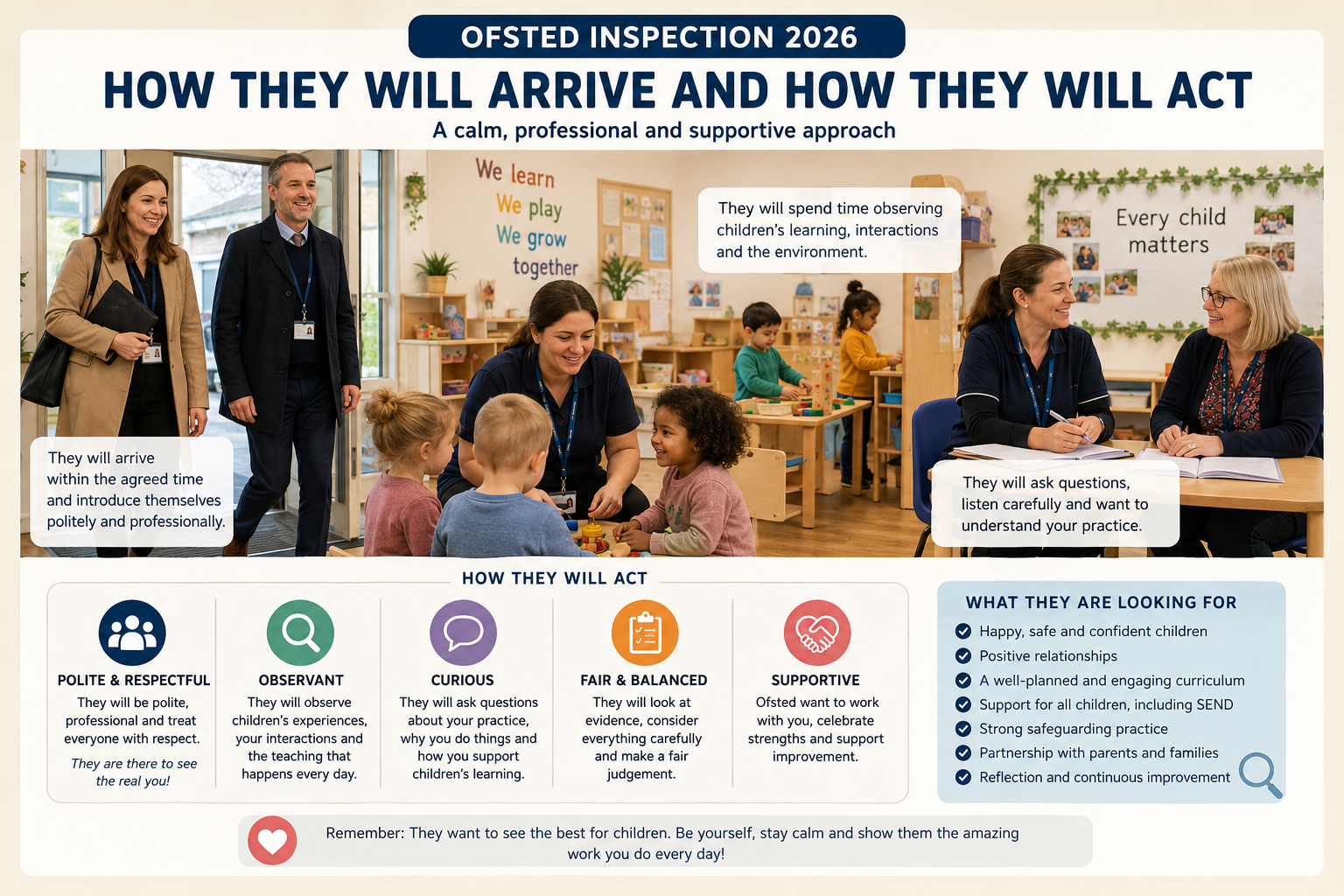
Essential Ofsted Changes 2026: A Complete Guide for Early Years Practitioners
-
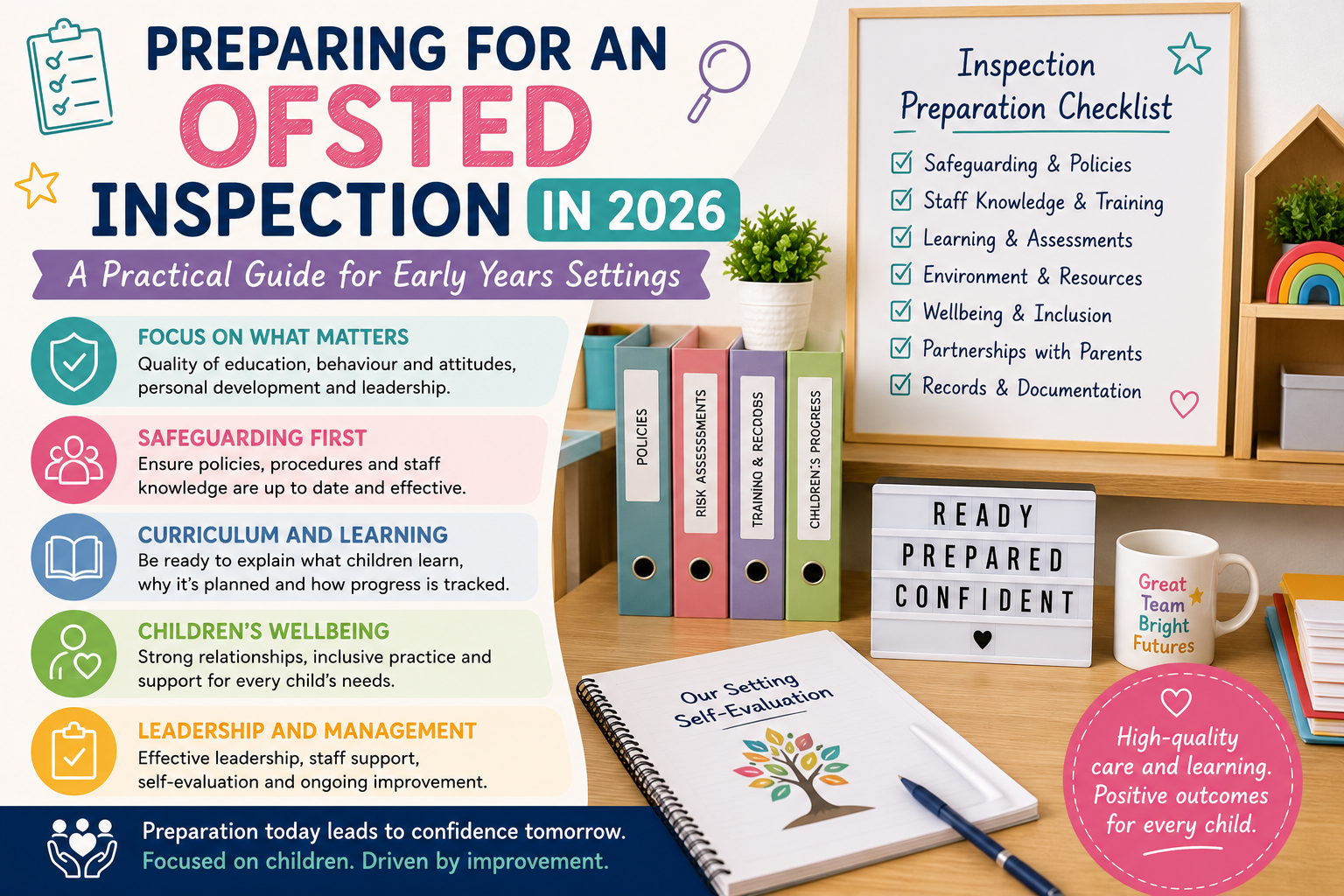
Preparing for an Ofsted Inspection in 2026: A Practical Guide for Early Years Settings
-
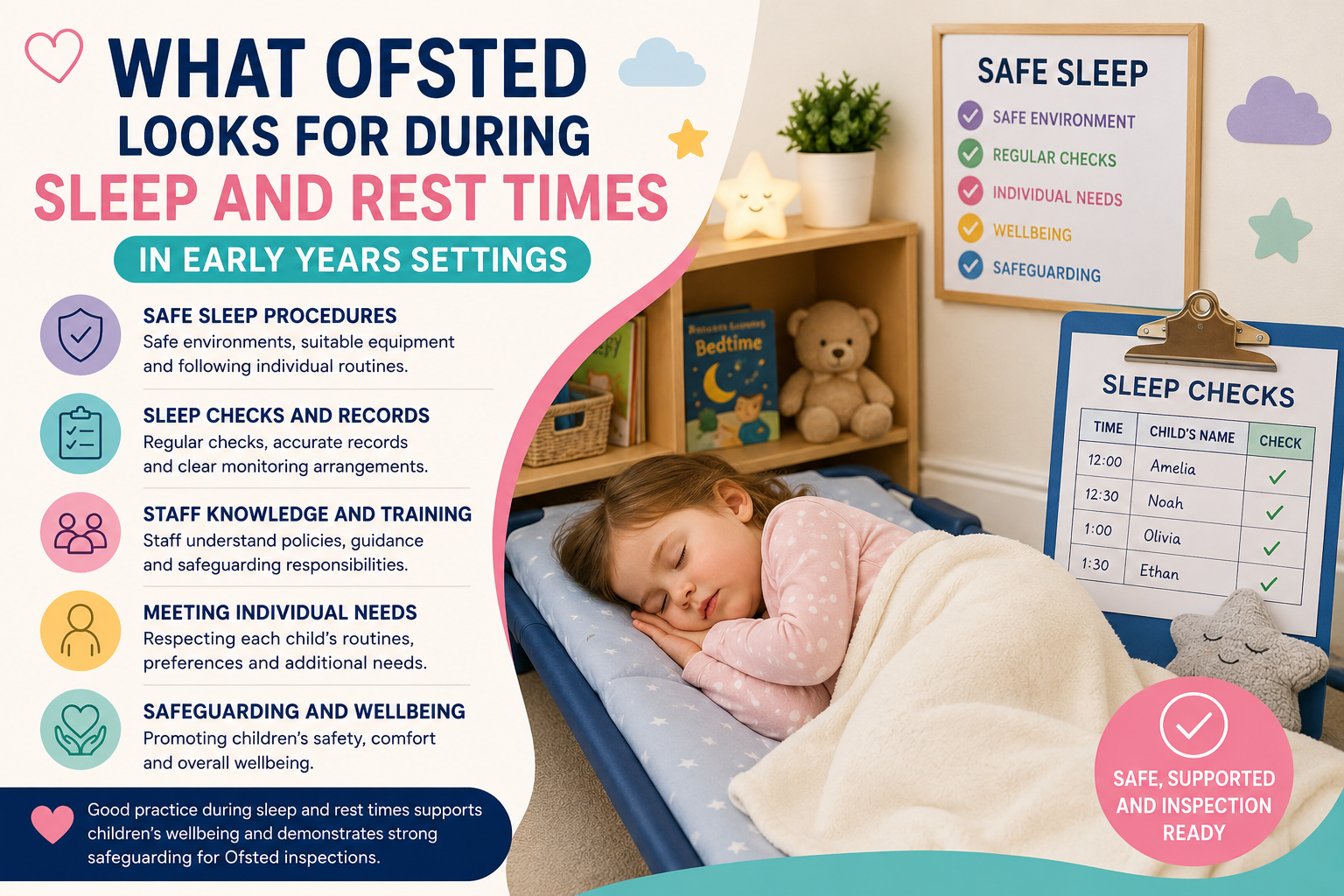
What Ofsted Looks for During Sleep and Rest Times in Early Years Settings
-
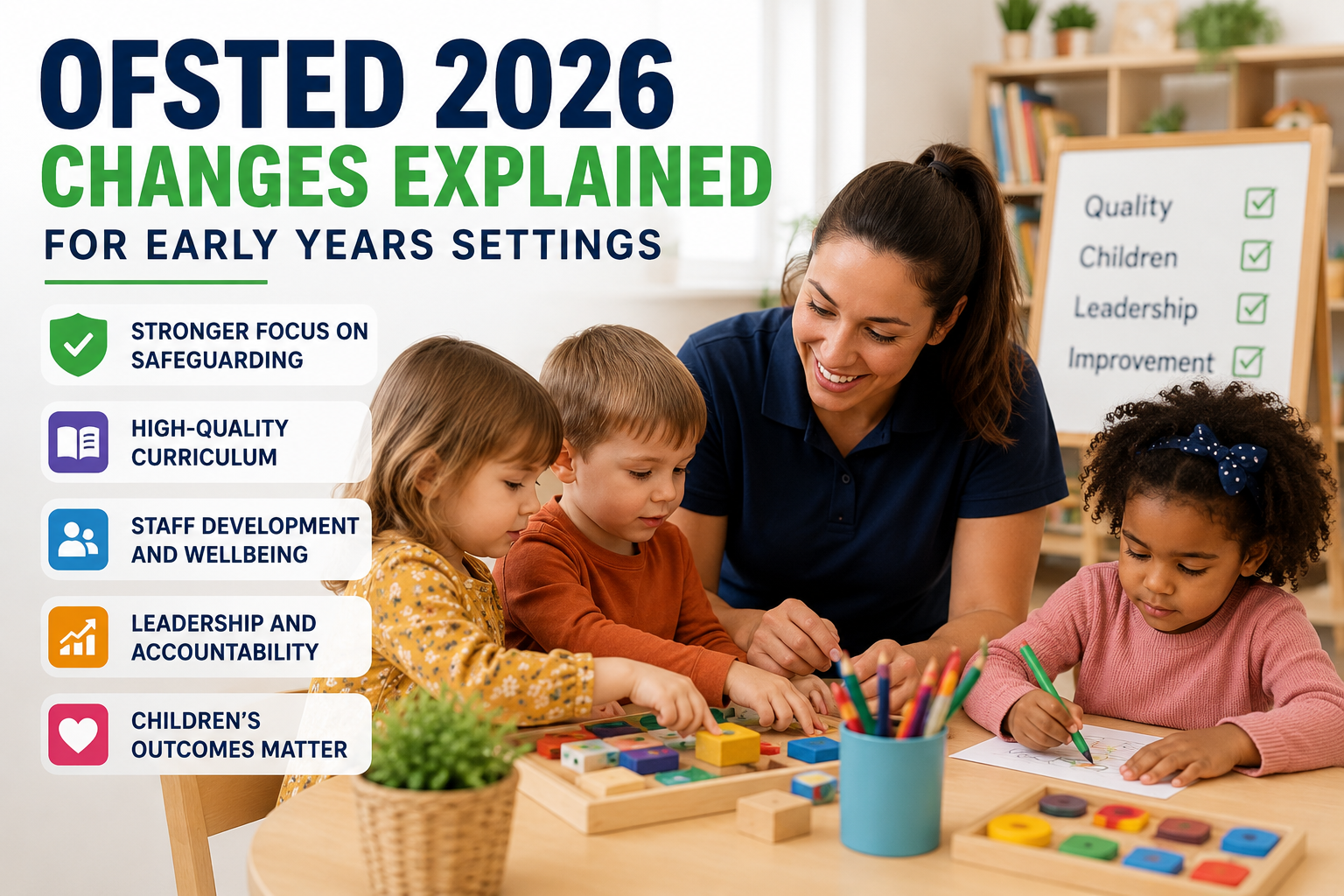
Ofsted 2026 Changes Explained for Early Years Settings
-
Nursery Handover to Parents and Staff in 2026: A Practical Guide for Early Years Practitioners
Handover is something that happens every day in nursery. A practitioner may hand information to another member of staff at the start or end of a shift. At the end of the day, a parent or carer may ask how their child has been. Sometimes the conversation is very simple. Other times, there may be…
-
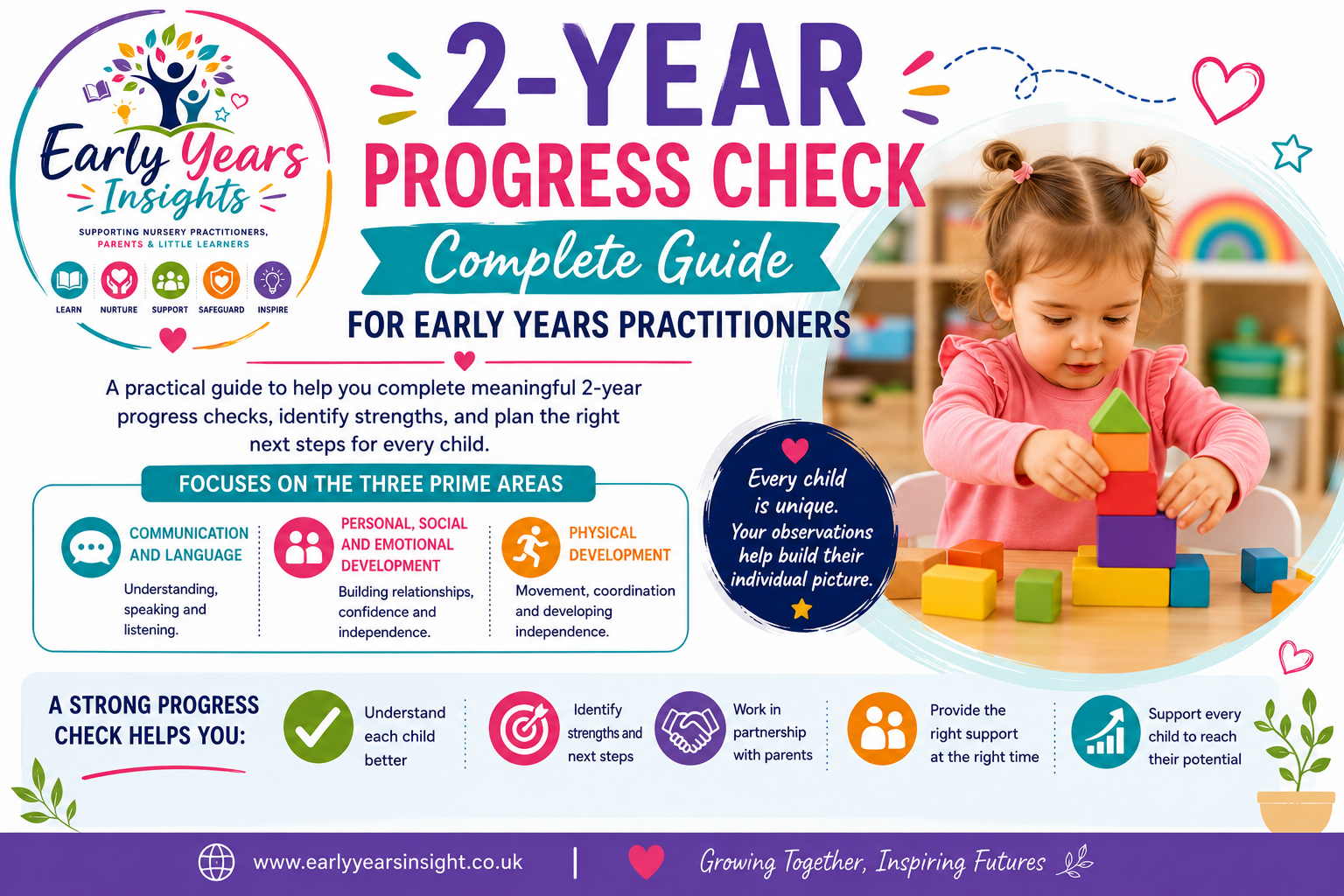
2-Year Progress Check: A Complete Guide for Early Years Practitioners
Introduction The 2-year progress check is an important part of working with young children in Early Years. If you work in a nursery, preschool or another Early Years setting, you will know that children develop in different ways, at different times and at different ages. Two children who are the same age may have very…
-
Ofsted September 2026: Safer Sleeping, Eating and Weaning – What Early Years Settings Need to Know
Introduction Are you a practitioner working in a nursery or Early Years setting? you may have heard a lot about the Ofsted changes coming from 1 September 2026. When I first started my career, working in Early Years, I thought preparing for Ofsted was mainly about knowing the policies, making sure all the paperwork was…